

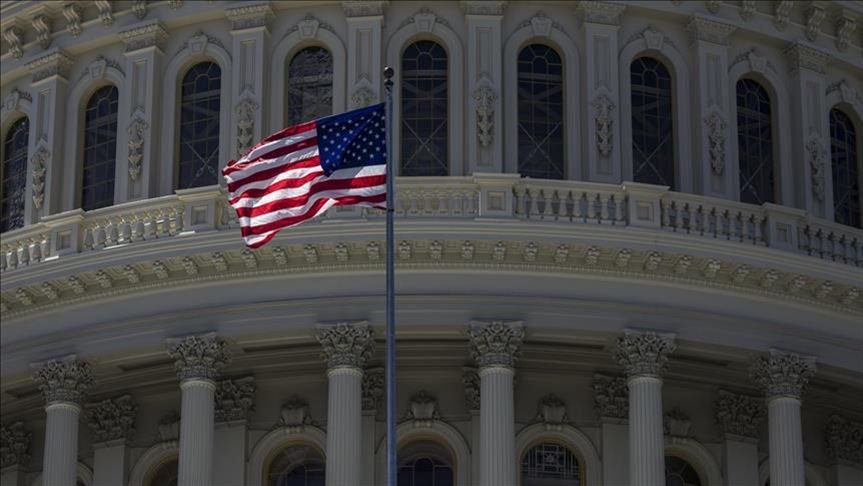
The US government currently has only $57.3 billion, which is the lowest amount since the end of 2021. Negotiations between the White House and Republicans have not made much progress.
As of May 18, the cash amount has decreased from $68.3 billion on May 17 and $140 billion compared to the previous week’s end. This decrease is due to the US Treasury Department’s measures to avoid surpassing the public debt ceiling limit of $31.4 trillion.
By May 17, the US Treasury had only $92 billion left in special measures to help the government meet its debt obligations. This amount increased from about $88 billion on May 10, but it is only slightly more than a quarter of the $333 billion package. These special measures, such as the ability to continue selling debt, are intended to assist the Treasury Department in managing its funds.
Earlier in the week, Treasury Secretary Janet Yellen informed lawmakers that the special measures would not be in effect beyond the beginning of June. On May 18, she expressed to bank leaders that not raising the public debt ceiling would have catastrophic consequences for the financial system.

Politicians on May 18 expressed optimism about reaching an agreement in the negotiations between the White House and Republicans. There were plans for House Speaker McCarthy and Senate Majority Leader Chuck Schumer to vote on a bipartisan agreement in the coming days.
However, on the morning of May 19, Republican representatives left the caucus just an hour after the latest talks began. These developments raised doubts about the progress of the negotiations.
Representative Patrick McHenry, one of the negotiators, stated that he was not confident about reaching an agreement by the end of that week, which was the deadline for President Biden to pass a new debt ceiling bill before June 1.
Meanwhile, White House officials left the Capitol meeting room without committing to returning. Negotiators revealed that the breakdown in talks centered around disagreements over government budget cuts. House Speaker Kevin McCarthy emphasized that spending levels were a crucial point, as Republicans insisted on deeper cuts than Democrats were willing to accept. Republicans also rejected any proposed tax increases to reduce the deficit.
McCarthy said on May 19, “The White House has to move, and we haven’t seen it yet, so we have to pause the negotiations. We can’t spend more money next year. We have to spend less than last year. It’s pretty easy.”
During a press conference in Hiroshima, Japan, where President Biden was attending the G7 summit, White House press secretary Karine Jean-Pierre confirmed that there were “serious differences” between the negotiators. She stated that the White House would work towards a reasonable, bipartisan solution, potentially involving both houses of Congress.
White House communications director Ben LaBolt criticized Republican negotiators for proposing a bill that did little to reduce “extreme” budget-cutting measures. He accused Republicans of holding the economy hostage and pushing it to the brink of default.
On May 20, while in Hiroshima, President Biden stated that he was “not at all” worried about the negotiations and believed they would progress in phases. He expressed his belief that it would be possible to avoid default. The US stock market also seemed to share this sentiment, as the Dow Jones, S&P 500, and Nasdaq all ended the week with gains.
@ Bloomberg, WSJ
Discover more from Vietnam Insider
Subscribe to get the latest posts sent to your email.