

New Ebola outbreak in Congo and Uganda raises fears of cross-border spread and global health risks
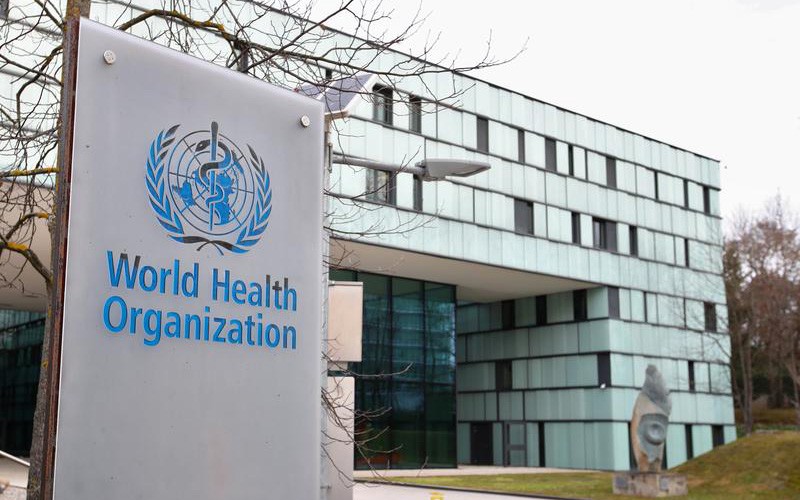
As global health systems remain on alert after the Covid-19 era, the World Health Organization has declared a new Ebola outbreak in Central Africa a “public health emergency of international concern,” signaling growing fears over the virus’s spread across borders in one of the world’s most fragile regions.
The emergency declaration follows confirmed Ebola cases in both the Democratic Republic of the Congo and Uganda, with health authorities warning that the true scale of the outbreak may be significantly larger than current official figures suggest. According to the WHO, the outbreak involves the Bundibugyo strain of Ebola — a highly infectious virus transmitted through bodily fluids including blood and semen.
As of May 16, authorities in Congo had recorded eight laboratory-confirmed cases, 246 suspected infections, and 80 suspected deaths. Meanwhile, Uganda reported two confirmed cases, including one fatality, involving individuals who had recently traveled from Congo. WHO officials said the lack of a clear epidemiological connection between the Ugandan cases has heightened concerns about undetected community transmission and regional spread.
Despite the emergency declaration, the WHO stopped short of classifying the situation as a pandemic-level threat. However, the agency emphasized that there are still “significant uncertainties” surrounding both the actual number of infections and the geographic reach of the outbreak.
Ebola remains one of the world’s deadliest viral diseases, with mortality rates in some outbreaks reaching as high as 50%. While Congo has extensive experience responding to Ebola crises, the country faces severe logistical obstacles due to its vast territory, weak infrastructure, and ongoing armed conflicts across several provinces. Delivering medical staff, vaccines, and emergency supplies to remote outbreak zones continues to be a major operational challenge.
The development also carries broader implications beyond Africa. Investors, airlines, humanitarian agencies, and global supply chain operators are closely monitoring the situation, particularly as international travel and cross-border mobility have rebounded sharply in recent years. Health experts warn that delayed containment in politically unstable regions can rapidly evolve into wider international crises.
The latest Ebola emergency is a reminder that global health security remains deeply interconnected. In a world shaped by constant mobility, fragile healthcare systems in one region can quickly become a concern for markets, governments, and travelers worldwide — raising a difficult question for policymakers: has the world truly strengthened its pandemic preparedness, or merely moved on from the last crisis?
Discover more from Vietnam Insider
Subscribe to get the latest posts sent to your email.