

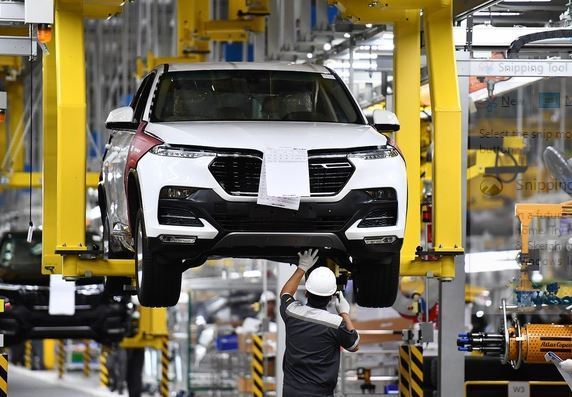
Opportunities from the Global Automotive Shift
The rise of new energy vehicles (NEVs), smart technologies, and supply chain diversification is reshaping the global auto manufacturing map. With its strategic geographic location, consumer potential, and international trade connectivity, Southeast Asia has become a prime focus for major automakers expanding production.
In Vietnam, expanding transport infrastructure, rising car ownership, and a green transition roadmap toward net-zero emissions by 2050 are opening fresh room for automotive growth—especially in new energy vehicles.
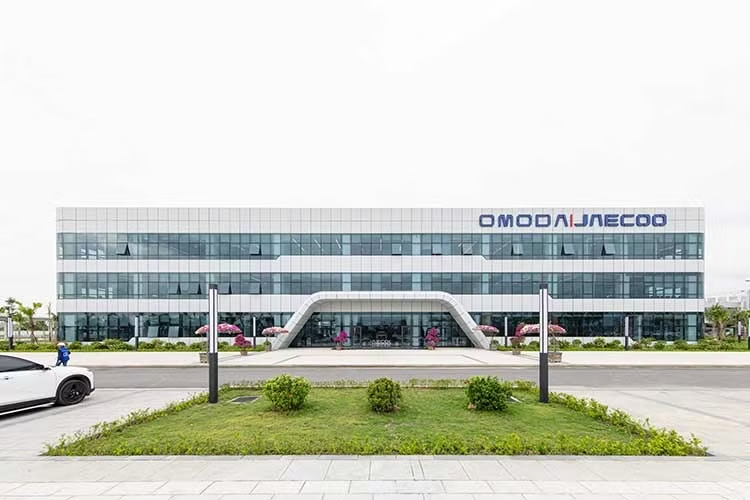
Vietnam stands before a major opportunity to become a next-generation auto manufacturing and export hub.
Alongside domestic market potential, Vietnam’s network of free trade agreements and technical workforce create favorable conditions for deeper participation in regional industrial value chains.
To become a true manufacturing and export hub, however, Vietnam must synchronously develop supporting industries, research capabilities, workforce quality, and compliance with international standards.
From Consumer Market to Manufacturing Investment Destination
One standout project is the Omoda & Jaecoo Vietnam automobile plant in Hung Phu Industrial Park, Hung Yen Province, backed by a joint venture between GELEXIMCO Group and Chery Group. With a total investment of 8,125 billion VND, a site exceeding 380,000 square meters, and a designed annual capacity of 120,000 vehicles, the plant is scheduled for official inauguration this year—just over a year after breaking ground. The facility will focus on producing OMODA & JAECOO and iCAUR models, prioritizing new energy vehicles aligned with global electrification trends.
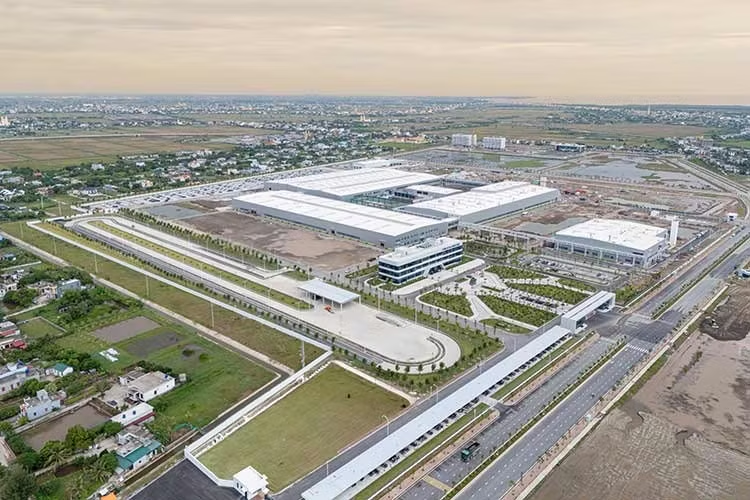
One standout project is the Omoda & Jaecoo Vietnam automobile plant in Hung Phu Industrial Park, Hung Yen Province.
This partnership between two leading Vietnamese and Chinese industrial conglomerates signals strong confidence in local market potential while linking Vietnam to global technology, manufacturing, and supply chain networks.
New Energy Vehicles Unlock Industrial Growth Room
Vehicle electrification is creating fresh openings for developing automotive nations. Beyond traditional mechanical engineering, fields such as power semiconductors, electronic control systems, software, and smart technologies play an increasingly central role.
This shift enables Vietnam to build higher value-added industries while steadily upgrading its technological capacity and competitiveness.
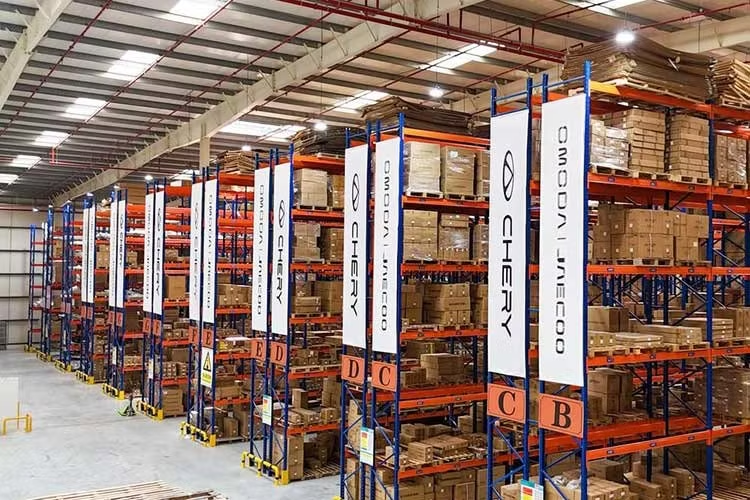
To become an auto manufacturing and export hub, Vietnam needs partners with strong investment capacity, technological expertise, and global market reach.
Alongside manufacturing, Omoda & Jaecoo Vietnam plans to establish local research and development (R&D) capabilities while expanding its ecosystem into high-tech sectors. This strategy links production with research, technology transfer, and human resource training, laying the groundwork for higher domestic localization value over the long term.
Ambition to Bring Vietnamese-Made Cars to the World
Becoming a regional auto production and export center requires backing from enterprises possessing financial strength, technological know-how, and international distribution networks. Projects like the Omoda & Jaecoo Vietnam plant in Hung Yen are expected to accelerate this transition by boosting manufacturing, supporting industries, and high-skilled workforce training.

From a high-potential consumer market, Vietnam is poised to claim a new role on the global automotive map.
As scale, quality, cost efficiency, and supply chains mature step by step, opportunities to export Vietnamese-built vehicles worldwide will continue to widen—anchored by today’s investments in manufacturing and technology.
Source: kienthuc.net.vn
Discover more from Vietnam Insider
Subscribe to get the latest posts sent to your email.