

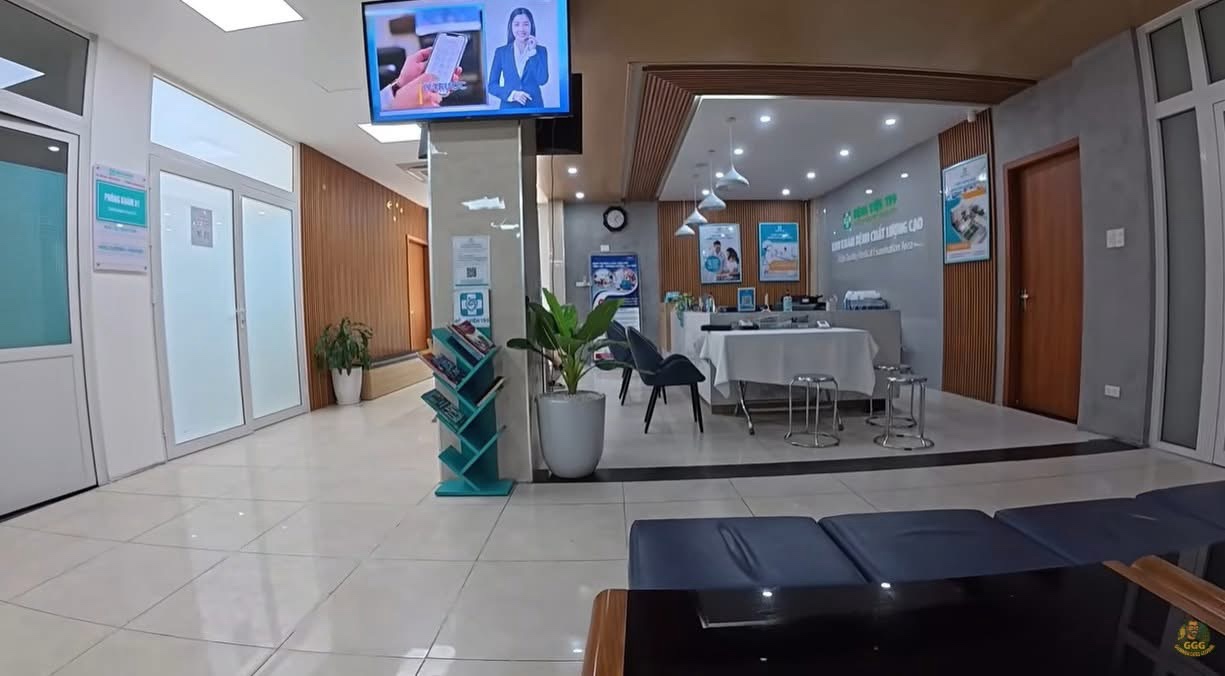
An American in Da Nang discovers fast, affordable healthcare that challenges common perceptions of public hospitals.
As healthcare costs continue to soar across much of the developed world, a routine hospital visit in Vietnam is drawing attention from expatriates and international travelers for a very different reason: affordability, speed, and convenience.
For Gunner, an American living in the central Vietnamese city of Da Nang, a recent visit to a public hospital left a lasting impression. Accompanying his wife to Hospital 199 for a routine health check, he expected a standard medical appointment. Instead, he found a healthcare experience that he says would be difficult to replicate in many Western countries.
The process was remarkably efficient. Registration took only a few minutes, a chest X-ray was completed shortly afterward, and results were available in approximately 15 minutes. When doctors recommended a follow-up CT scan, the test was performed immediately without requiring a separate appointment or weeks-long wait.

What stood out most, however, was the cost. The chest X-ray was priced at just $4.18, while the CT scan cost around $31. For many Americans accustomed to paying hundreds or even thousands of dollars for similar diagnostic procedures, the figures were almost difficult to believe.
Vietnam’s healthcare system has quietly become one of Southeast Asia’s most attractive advantages for expatriates, retirees, remote workers, and long-term travelers. Major cities such as Da Nang, Ho Chi Minh City, and Hanoi offer a growing mix of public and private hospitals, many equipped with modern diagnostic technology and increasingly staffed by internationally trained medical professionals.

The country’s appeal extends beyond low costs. Short waiting times, accessible specialists, and expanding healthcare infrastructure are helping Vietnam position itself as a competitive destination for medical tourism in Asia. While neighboring countries such as Thailand and Singapore have long dominated the region’s medical tourism market, Vietnam is increasingly attracting attention from foreigners seeking quality care without premium price tags.
For Gunner, the experience challenged long-held assumptions about public healthcare in developing economies. Rather than crowded facilities and lengthy delays, he encountered a system that delivered quick diagnostics, professional service, and transparent pricing.
As more expatriates and international visitors share similar experiences online, Vietnam’s healthcare sector may become one of the country’s most underappreciated competitive strengths. In a world where access to affordable healthcare is becoming increasingly difficult, Vietnam is raising an intriguing question: could one of Southeast Asia’s fastest-growing economies also become one of its most compelling healthcare destinations?
Discover more from Vietnam Insider
Subscribe to get the latest posts sent to your email.