

Inside the 6,000-square-meter factory of Green Starch Joint Stock Company (Tinh Bot Xanh), Pham The Hai (born in 1984) personally inspects bags of macaroni and pho noodles every day before shipment—even though every product already passes through strict quality control protocols. He views it as a daily joy and affectionately dubs himself “Village Chief Hai Bot” (Hai the Flour Maker), seven years after choosing to dedicate his life to every grain of rice and drop of water from the Nga Bat River in his native Dong Thap Province.
A Multi-Billion-Dong Gamble
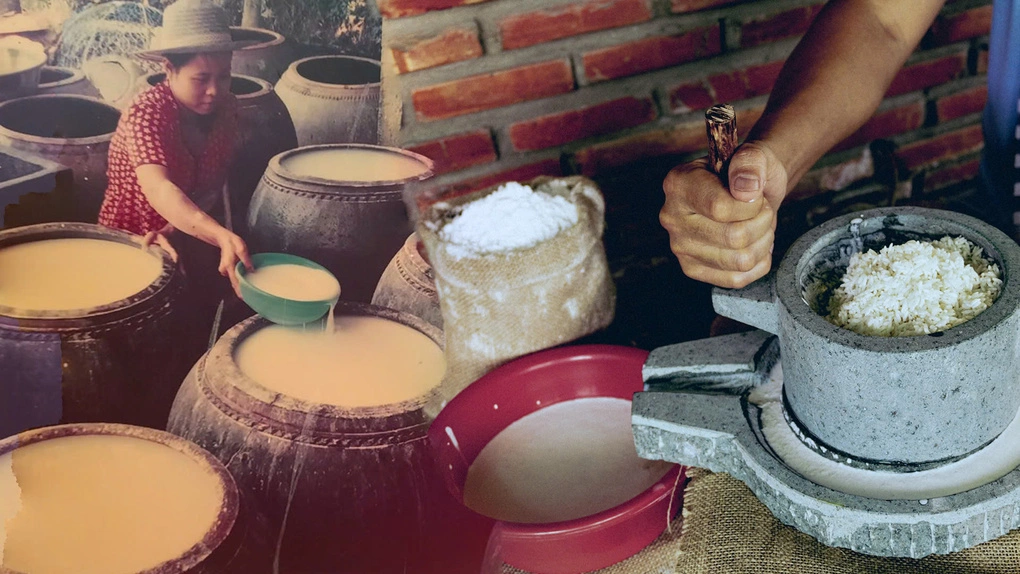
The Sa Dec rice flour village boasts a history spanning more than 100 years, anchored by abundant rice supplies and processing expertise passed down across generations. The earliest flour-making hamlet formed in Tan Phu Dong before the craft spread across wider areas of Sa Dec. Local artisans draw upon water from the Nga Bat River during production, yielding a rice flour prized for its bright whiteness, chewy elasticity, softness, and distinct aroma. Sa Dec’s traditional rice flour-making craft has even been recognized as a National Intangible Cultural Heritage.
In 2019, the green living movement began gaining widespread momentum. Looking at the century-old Tan Phu Dong rice flour village in Sa Dec—rich in raw materials yet relying largely on manual methods—Pham The Hai nurtured the startup idea of producing biodegradable drinking straws from this very local staple.
Brushing aside skepticism, Hai left his career as an electrical engineer in Ho Chi Minh City and returned home. He pooled all his life savings to purchase his first machines, build a workshop, and begin experimentation.
Early on, setbacks piled up. Lacking manufacturing experience, rice straw production demanded countless trial stages and suffered dismal recovery rates. At times, 10 kilograms of raw flour yielded barely 0.5 kilograms of finished straws, driving up production costs and financial risk.
Over three months of testing, tons of rice flour had to be discarded because the extruded shapes failed to meet structural standards. Through countless sleepless nights, Hai sat at his workbench continuously tweaking formulas and production parameters. By July 2019, watching batches of firm, sturdy rice straws emerge from the line, he knew he had cracked the code.

The rice flour drinking straw line — Mr. Hai’s debut startup product. Photo: Ngoc Tai
Yet launching a venture in a brand-new niche brought hurdles far beyond manufacturing—finding buyers and building a market proved even tougher. In the beginning, he had not fully anticipated the demands of distribution, branding, and export compliance. Outside factory hours, the 1980s-born engineer relentlessly attended trade promotion programs, expos, and business-matching events to showcase his products and court partners.
Those efforts gradually bore fruit. Through trade promotion initiatives led by the industry and trade sector, his products steadily reached buyers, with rice straws eventually exported to markets including Europe, Australia, and New Zealand.
“From the very beginning, I never chased grand illusions; I took small steps and patiently built up progress bit by bit.”

Mr. Hai introduces his company’s product lines to partners at THAIFEX – Anuga Asia (an international trade fair held in Thailand). Photo: Courtesy of interviewee
Taking Sa Dec Rice Flour Farther
Just one year after founding the company, right as rice straws were gaining market traction, Tinh Bot Xanh ran into fresh headwinds. The outbreak of COVID-19 disrupted business operations, and post-pandemic consumer demand shifted—leaving rice straws heavily exposed to fluctuations in green consumption trends.
Hai realized his company could not achieve stable growth by relying on a single product. Meanwhile, Sa Dec’s abundant rice flour supply held untapped potential for a wide range of food items. Currently, most workshops in the Sa Dec craft village operate at household scale, primarily supplying fresh wet flour or making familiar staples like hu tieu noodles and shrimp crackers.
That landscape revealed a promising market gap: standardized, quality-controlled products developed through deep processing. In late 2020, drawing on its extrusion expertise from making straws, the company experimented with five-color rice macaroni. Rejecting synthetic food dyes, Hai sourced natural pigments from magenta leaves (la cam), butterfly pea flowers, gardenia seeds, and gac fruit. Vibrant, naturally chewy macaroni soon became the company’s signature product, paving the way for new variations in shapes and ingredients.

Macaroni colored naturally with vegetables and herbs. Photo: Ngoc Tai
Following macaroni, he researched tubular banh canh noodles, distinct from conventional solid strands. The hollow tube design traps rich, savory broth inside each noodle, offering diners a novel culinary texture. This line also expanded into brown rice, five-color, moringa, and sweet potato varieties.
The catalog continued to grow with rice vermicelli (bun), pho noodles, and other value-added rice starch foods. Rather than selling raw ingredients, the enterprise focused on higher-margin finished goods tailored to diverse consumer preferences.
Officially established in 2019, Green Starch Joint Stock Company develops product lines under the Tinh Bot Xanh and FUMA brands, offering five core categories spanning more than 80 SKUs. Every day, roughly three tons of Sa Dec rice flour products travel through distributors across Vietnam. Hai treats the domestic market as his core pillar while fulfilling export orders on demand.
From a modest workshop, Hai has built a 6,000-square-meter plant with an annual capacity of 800 to 1,000 tons, providing steady employment for over 30 local workers. The closed-loop production line integrates modern technology from raw material selection through final packaging, utilizing advanced mixing and extrusion systems that boost efficiency, trim costs, and protect the environment.

Drinking straws made from rice flour blended with natural vegetable colors. Photo: Courtesy of interviewee
Looking back on his seven-year journey from electrical engineer to “Hai Bot,” he notes that entrepreneurship is about far more than inventing one sellable item. A business must solve quality consistency at scale, upgrade technology, innovate new lines, and unlock greater value from existing local resources.
Above all, he carries an ambition to elevate the value of Vietnamese rice grains and bring the quintessence of a traditional craft village onto both Vietnamese family dining tables and global kitchens.
“I carry that dream with me every single day,” he says, returning alongside Tinh Bot Xanh workers to inspect packs of five-color macaroni before shipment—sending Sa Dec’s rice flour heritage ever farther afield.
Source: Ngoc Tai / vnexpress.net
Discover more from Vietnam Insider
Subscribe to get the latest posts sent to your email.